Training provider reporting should start with live records is an operational question before it is a technology question. Training teams need dependable information, clear ownership and enough time to act. When the process is split across spreadsheets, calendars, inboxes and shared drives, staff spend valuable time reconstructing the same position and checking whether somebody else has already dealt with it.
This article examines training provider reporting, training management reports, live training data in the context of day-to-day training administration. It focuses on practical controls, measurable time savings and a realistic move from manual work to connected records. The aim is not to automate every decision. It is to make routine work consistent and ensure the exceptions needing judgement become visible early.
Where the manual process becomes expensive
A monthly report assembled from several exports is already out of date by the time it is circulated. The totals may be correct, but managers cannot easily see which learners, courses or missing records produced them. Administrators become the reporting interface, repeatedly answering follow-up questions.
Look at the pattern of work surrounding training management reports, not only the main transaction. In training provider reporting should start with live records, staff may open several files, compare dates, send an internal query and wait for confirmation before they can continue. That elapsed time affects service and planning even when the hands-on task was short. A shared record reduces both the visible work and the uncertainty between steps.
What a connected system changes
Training provider reporting should calculate from the operational records used by the team. Filters for dates, organisations, courses and status help people ask focused questions. A useful total remains traceable to the records behind it so the report can lead directly to action.
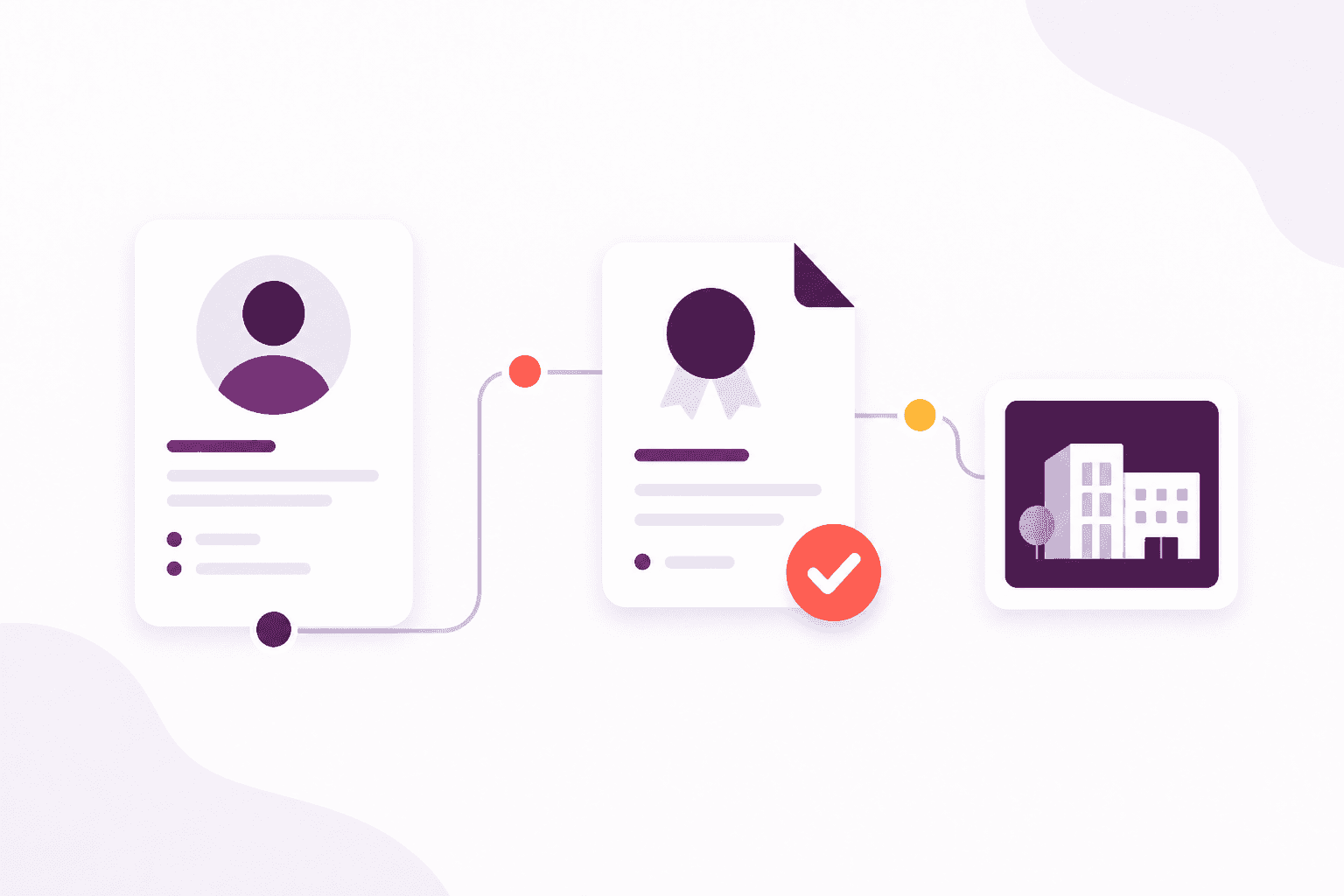
The change in training provider reporting should start with live records comes from treating training provider reporting as part of a journey rather than an isolated entry. Relationships between people, delivery, communications and outcomes allow the system to surface consequences automatically. Staff still make judgements, but they do so with the relevant history in view. Clear record ownership also prevents two teams from maintaining competing versions of the same truth.
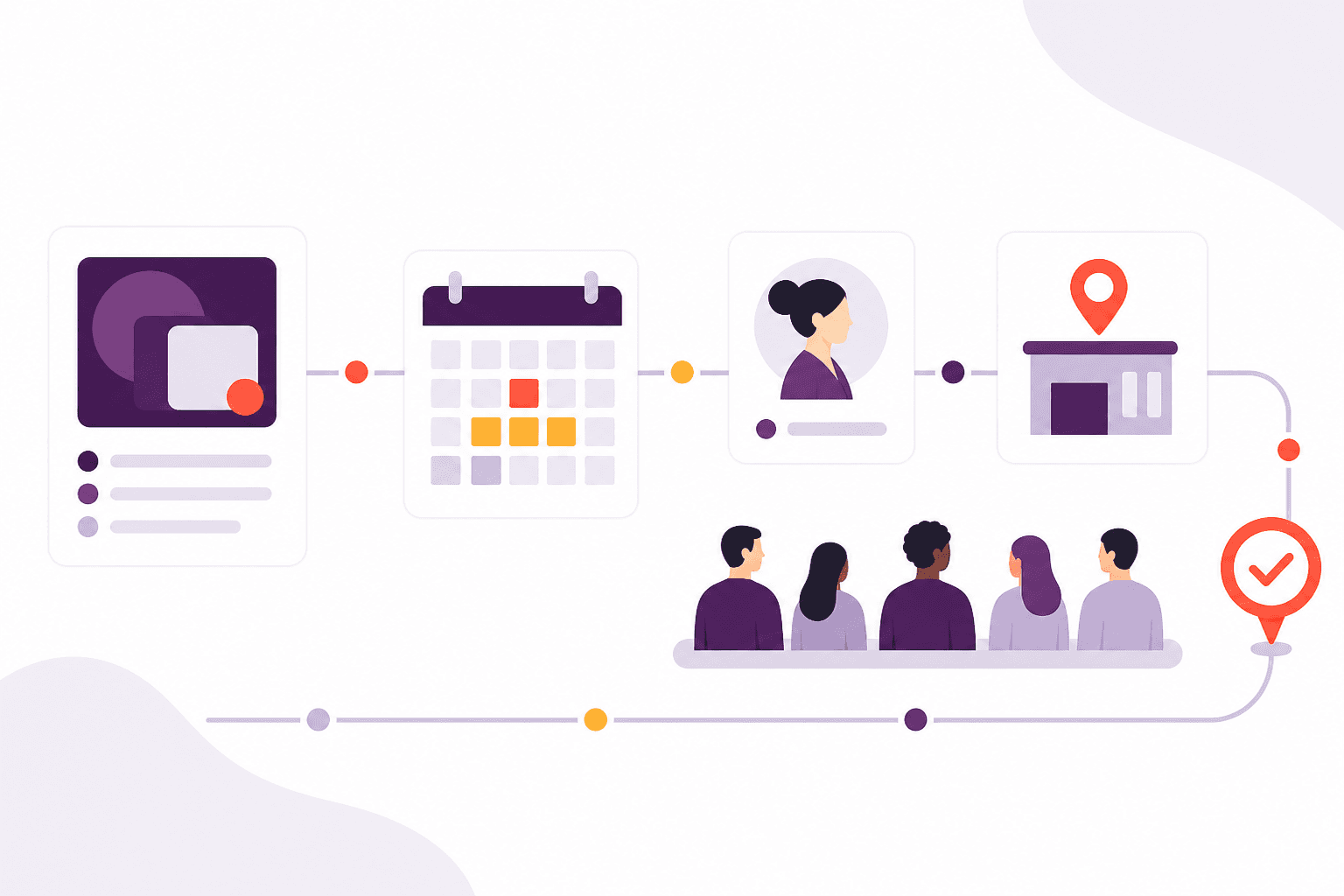
Follow the work from beginning to end
Start with a management question such as which planned courses are under capacity, which results remain incomplete or which qualifications expire next quarter. Define the population, status and date logic, then confirm that users can open or export the supporting records without rebuilding the calculation.
Use a small number of representative records to rehearse training provider reporting should start with live records from start to finish. Confirm who can see and change live training data, how a mistake is corrected and what the next colleague sees. A workflow is not complete if the final report is accurate only after an offline adjustment. Testing the hand-offs protects both the staff process and the experience of the people receiving the training service.
Calculate time saved without exaggeration
Measure preparation hours, correction cycles, ad hoc requests and time between the reporting date and the decision. Live reports reduce assembly work and shorten the distance between recognising an exception and assigning it to someone.
Baseline training provider reporting, training management reports and live training data separately so the source of any improvement remains visible. Use median time where a few difficult cases would distort the average, and publish the assumptions behind annual estimates. Released hours are operational capacity first. Leaders can then decide whether that capacity should absorb growth, improve follow-up, reduce temporary staffing or support another service priority.
Keep reminders and automation accountable
Before automating training provider reporting should start with live records, decide which live training data values are authoritative and who owns exceptions. A rule based on weak data simply produces mistakes more quickly. Make the trigger and outcome observable, retain a delivery or change history and test the stop condition. Staff should receive a manageable work queue for failed or unusual cases rather than relying on someone to notice them informally.
Pilot the training provider reporting should start with live records rule with records whose live training data is already clean. Define success, failure and manual-review outcomes before switching it on. A named owner should review the exception queue and feed recurring problems back into data quality or process design. Automation is mature when routine work is uneventful and unusual cases become easier, not harder, to see.
Implement the change in controlled stages
Create a small reporting dictionary that defines each measure, its owner and its source. Validate results against a controlled sample before wider release. Remove duplicate reports once users trust the new version so old interpretations do not continue in parallel.
Write a practical playbook linking training provider reporting, training management reports and live training data. It should tell staff where the source record lives, what completion looks like and when another role takes ownership. Training should use current examples and include a deliberate mistake to practise recovery. Retire redundant trackers as each complete workflow becomes dependable, otherwise duplicate maintenance will obscure the benefit.
Measures that show whether it is working
Track report preparation time, number of manual exports, unresolved data-quality exceptions and actions completed from reports. Report use matters too: a perfect dashboard that nobody uses has not improved the management process.
A sound scorecard for training provider reporting should start with live records includes training provider reporting volume, training management reports timeliness, correction rate and an outcome linked to service or compliance. Establish definitions before launch so the comparison remains fair. Review the distribution as well as the average; a small group of overdue or difficult cases may deserve more attention than a strong headline percentage suggests.
A practical review checklist
- Name the record or decision that starts the workflow
- Identify the authoritative source for every important field
- Give routine work and exceptions a visible owner
- Retire the spreadsheet, inbox rule or personal reminder being replaced
- Review measures after adoption and improve the process
Use the checklist with a small sample of current work. Note every time somebody leaves the main record, retypes known information or relies on a personal reminder. Those observations create a prioritised improvement list grounded in evidence. They also give the team a baseline for judging whether training provider reporting should start with live records has produced a durable change.
The outcome to aim for
The durable outcome connects training provider reporting, training management reports and live training data around one agreed record. Teams no longer need to infer status from file names or private messages, and managers can move from a total to the work behind it. The resulting time saving matters, but so do resilience, earlier action and confidence that compliance evidence can be produced when requested.
Treat training provider reporting, training management reports, live training data as connected parts of that operating model. Start with a clear problem, improve the underlying data, introduce the smallest complete workflow and measure what changes. Technology creates leverage, but the lasting benefit comes from shared definitions, visible ownership and a team that trusts the record enough to stop maintaining parallel manual processes.