
How to measure the time saved by training management software is an operational question before it is a technology question. Training teams need dependable information, clear ownership and enough time to act. When the process is split across spreadsheets, calendars, inboxes and shared drives, staff spend valuable time reconstructing the same position and checking whether somebody else has already dealt with it.
This article examines training administration time, training software ROI, training management efficiency in the context of day-to-day training administration. It focuses on practical controls, measurable time savings and a realistic move from manual work to connected records. The aim is not to automate every decision. It is to make routine work consistent and ensure the exceptions needing judgement become visible early.
Where the manual process becomes expensive
Claims about saving hours are weak when nobody knows how long the current work takes. Administration is fragmented across short activities: finding a learner, copying a booking, checking a trainer, sending a reminder, matching evidence and rebuilding a report. Each task feels small, yet the interruptions and rework accumulate.
The cost of training administration time is usually dispersed across dozens of small interruptions. A quick check against training software roi, a search for the latest attachment and a message asking who owns the record may each take only minutes. Together they remove useful capacity from every busy week. Recording those interruptions for a representative sample makes the true administrative burden visible and shows where a connected workflow can release time.
What a connected system changes
Training management software can reduce repeated entry, automate timed actions and make connected records searchable. The saving should be measured at workflow level. A faster register matters, but so do fewer corrections, fewer internal questions and less time spent proving which version is current.
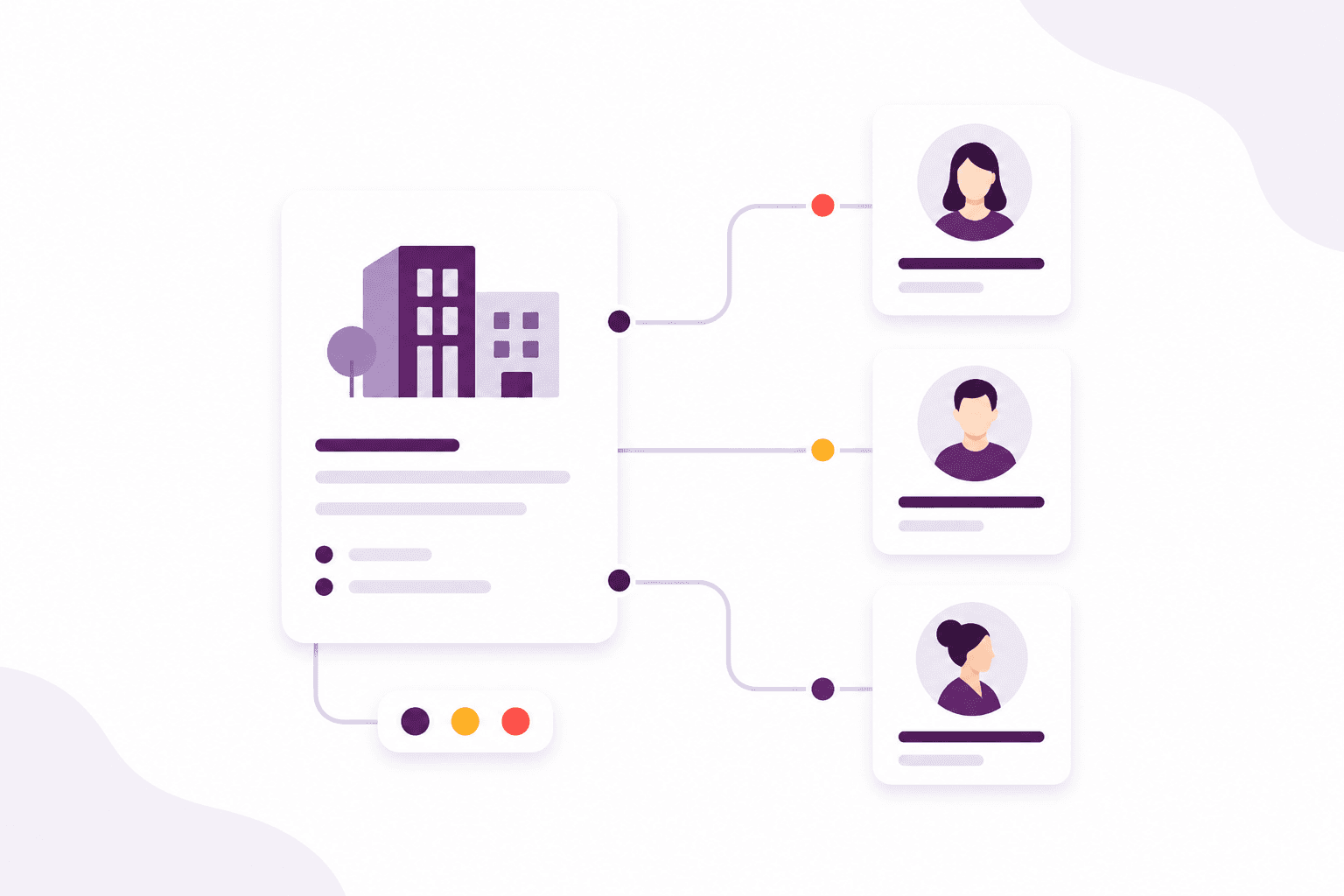
For training administration time, a connected record must do more than hold fields. It should explain how training software roi affects the next action, identify the person responsible and retain the evidence behind a decision. Staff can then move from a summary to the underlying learner, course, organisation or qualification without creating another tracking copy. That relationship is what turns stored data into an operational workflow.
Follow the work from beginning to end
Choose five representative journeys and observe them before change. Record active working time, elapsed time, hand-offs and corrections for a booking, schedule change, assessment result, qualification renewal and management report. Repeat the same observation after staff are trained and the new process has settled.
Test training administration time through a complete how to measure the time saved by training management software scenario, including an ordinary case and one that changes late. Ask a second colleague to take over without a verbal briefing. They should be able to identify the current state, the source evidence and the next action from the record itself. This exposes broken hand-offs that a polished demonstration or a simple field checklist will miss.
Calculate time saved without exaggeration
Separate capacity released from cash removed. Saving ten minutes on 300 monthly bookings releases fifty hours, but the commercial value depends on what the team can do with that capacity. It may support more learners, improve follow-up, reduce overtime or remove the need for temporary administrative support.
Create a conservative baseline for training administration time using real volumes and a representative working period. Separate active administration from waiting, then record how often training software roi causes a correction or follow-up. Repeat the measurement after users have settled into the new process. Report released capacity honestly: it may support growth, reduce overtime, strengthen service or make peaks manageable rather than appearing immediately as a cash saving.
Keep reminders and automation accountable
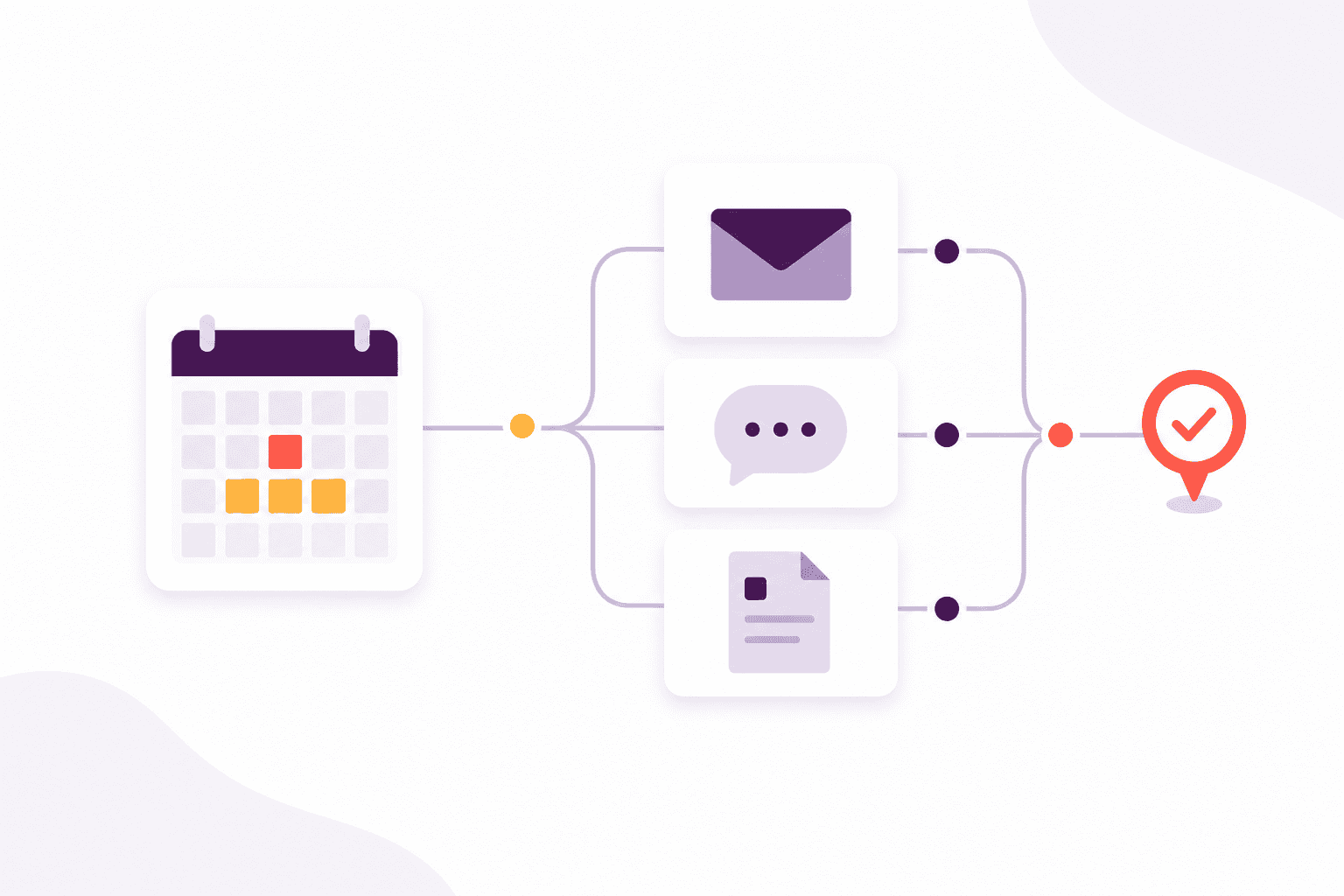
Automation around training administration time should start from a trusted record and a visible rule. The trigger, recipient, message, owner and stop condition must all be clear, with training management efficiency available when a colleague needs to understand the decision. Keep delivery and exception history beside the underlying record. That allows staff to intervene confidently instead of discovering an invisible queue after the issue becomes urgent.
Start training administration time with a repetitive, well-understood part of how to measure the time saved by training management software. Run it alongside close monitoring, review failures and adjust the rule before expanding volume. Decisions with a material learner or compliance impact should remain with an authorised person until the evidence is strong. The aim is quiet, dependable assistance: fewer routine touches, earlier visibility of risk and no hidden backlog.
Implement the change in controlled stages
Keep the measurement light enough to repeat. Use short activity samples, system timestamps and exception counts rather than asking staff to complete detailed time sheets indefinitely. Document important changes in volume or complexity so comparisons remain fair.
Document how training administration time will work in how to measure the time saved by training management software, including the owner, inputs, statuses and hand-offs into training software roi. Train with genuine scenarios rather than an abstract tour. The first release should be narrow enough to support closely but complete enough to replace the old tracker. Questions and workarounds from users are evidence for the next configuration or guidance improvement.
Measures that show whether it is working
Report hours per workflow, records processed per administrator, correction rate, overdue actions, response time and work completed without spreadsheet export. Combine the numbers with examples of avoided risk or improved service to present a balanced business case.
Judge training administration time with a balanced set of measures: time per transaction, training software roi corrections, incomplete training management efficiency and the operational outcome the process exists to support. Review trends with the staff doing the work and open the individual records behind unusual totals. Faster is valuable only when accuracy and service hold steady or improve.
A practical review checklist
- Name the record or decision that starts the workflow
- Identify the authoritative source for every important field
- Give routine work and exceptions a visible owner
- Retire the spreadsheet, inbox rule or personal reminder being replaced
- Review measures after adoption and improve the process
Use the checklist with a small sample of current work. Note every time somebody leaves the main record, retypes known information or relies on a personal reminder. Those observations create a prioritised improvement list grounded in evidence. They also give the team a baseline for judging whether how to measure the time saved by training management software has produced a durable change.
The outcome to aim for
The target for how to measure the time saved by training management software is a current position that authorised staff can understand without detective work. training administration time should connect naturally to training software roi; routine actions should occur at the right time; and exceptions should reach a named owner with their context intact. That operating model releases administration capacity, improves service continuity and makes evidence easier to explain.
Treat training administration time, training software ROI, training management efficiency as connected parts of that operating model. Start with a clear problem, improve the underlying data, introduce the smallest complete workflow and measure what changes. Technology creates leverage, but the lasting benefit comes from shared definitions, visible ownership and a team that trusts the record enough to stop maintaining parallel manual processes.