What should a CRM for training providers actually do? is an operational question before it is a technology question. Training teams need dependable information, clear ownership and enough time to act. When the process is split across spreadsheets, calendars, inboxes and shared drives, staff spend valuable time reconstructing the same position and checking whether somebody else has already dealt with it.
This article examines CRM for training providers, training provider CRM, learner relationship management in the context of day-to-day training administration. It focuses on practical controls, measurable time savings and a realistic move from manual work to connected records. The aim is not to automate every decision. It is to make routine work consistent and ensure the exceptions needing judgement become visible early.
Where the manual process becomes expensive
Generic contact software can store a name and email address but often loses the reason the relationship matters. Training providers need to understand who employs the learner, which contact approves bookings, what training has taken place, which qualifications are at risk and what the team promised to do next.
The hidden burden becomes clearer when crm for training providers, training provider crm and learner relationship management are considered together. Each manual hand-off introduces another opportunity to retype a value, overlook an update or create a private workaround. Count how often the team searches, checks and corrects as well as how often it enters new information. Those frequencies provide a stronger improvement baseline than an estimate based on one ideal transaction.
What a connected system changes
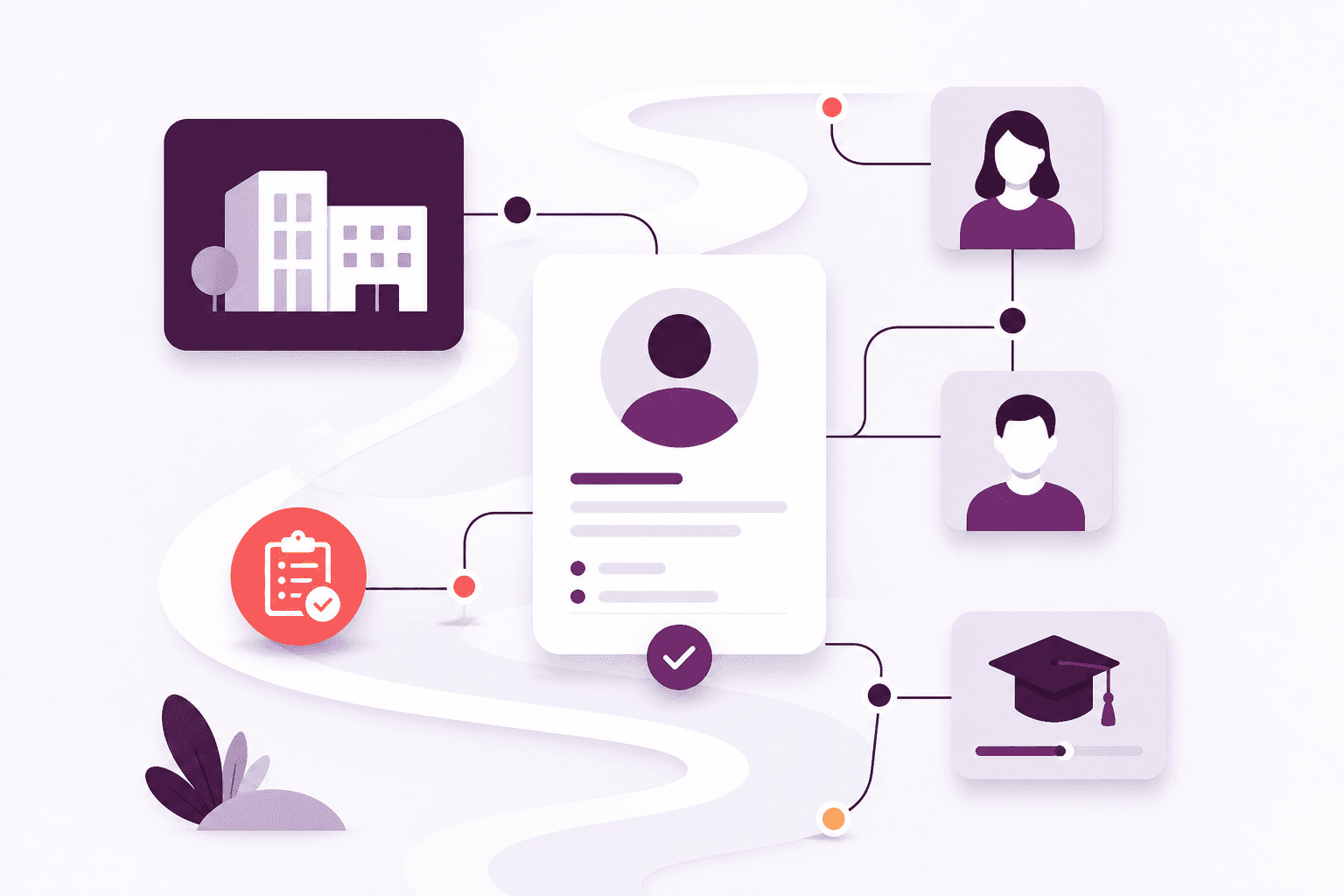
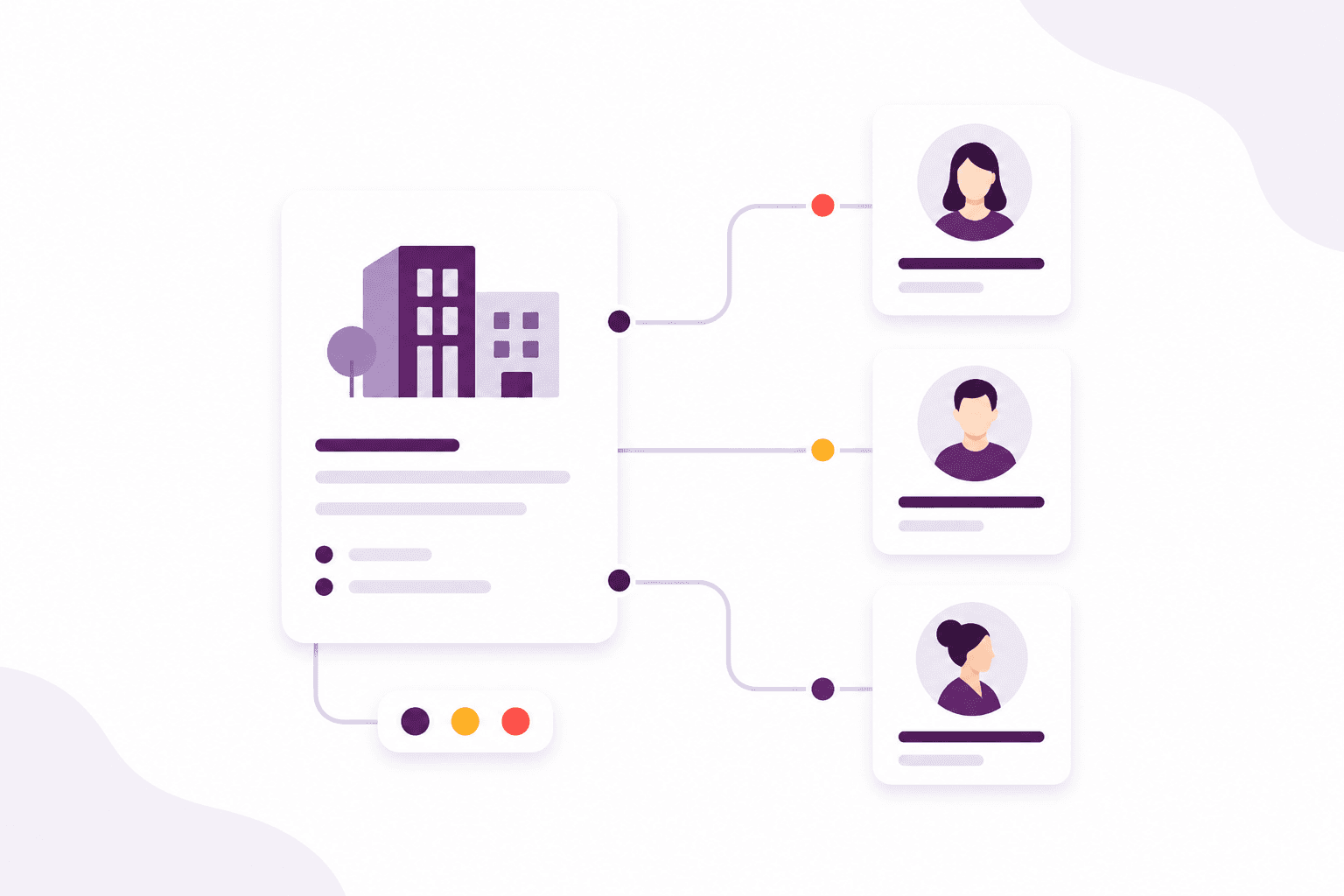
A CRM for training providers connects people and organisations to the delivery record. Account relationships, contact methods, lists, tasks and history provide service context, while course and qualification links explain the operational need. The result should be one dependable view without turning the CRM into an unstructured dumping ground.
Connected crm for training providers gives training provider crm an operational meaning. Instead of asking users to remember which workbook or inbox contains the next clue, the platform presents related records and recent activity together. A well-designed workflow makes exceptions obvious, preserves an audit trail and keeps routine updates consistent. That is materially different from transferring a spreadsheet into a larger database.
Follow the work from beginning to end
Test the CRM with an employer requesting a compliance update for several staff. The team should identify the organisation, permitted contacts, relevant learners, current qualifications and outstanding actions. A follow-up task and conversation history should remain beside that context for the next colleague.
Do not test crm for training providers only with perfect information. Include a record with missing learner relationship management, an urgent change and a case that should stop rather than progress. Confirm that warnings are understandable and that the team can recover without creating a private note. Exception testing is where the operational value of a training management system becomes most visible.
Calculate time saved without exaggeration
Measure the time spent finding the right contact, rebuilding employer lists, checking who owns a promise and transferring an enquiry between teams. The benefit comes from fewer searches and hand-offs, especially when several people support the same customer relationship.
For what should a crm for training providers actually do, compare a stable period before and after the crm for training providers change. Record volume, active minutes, rework and overdue items. Avoid measuring only enthusiastic early adopters or counting all elapsed waiting as staff time. A modest, repeatable saving backed by clear data creates a stronger business case than a dramatic estimate that colleagues cannot reproduce.
Keep reminders and automation accountable
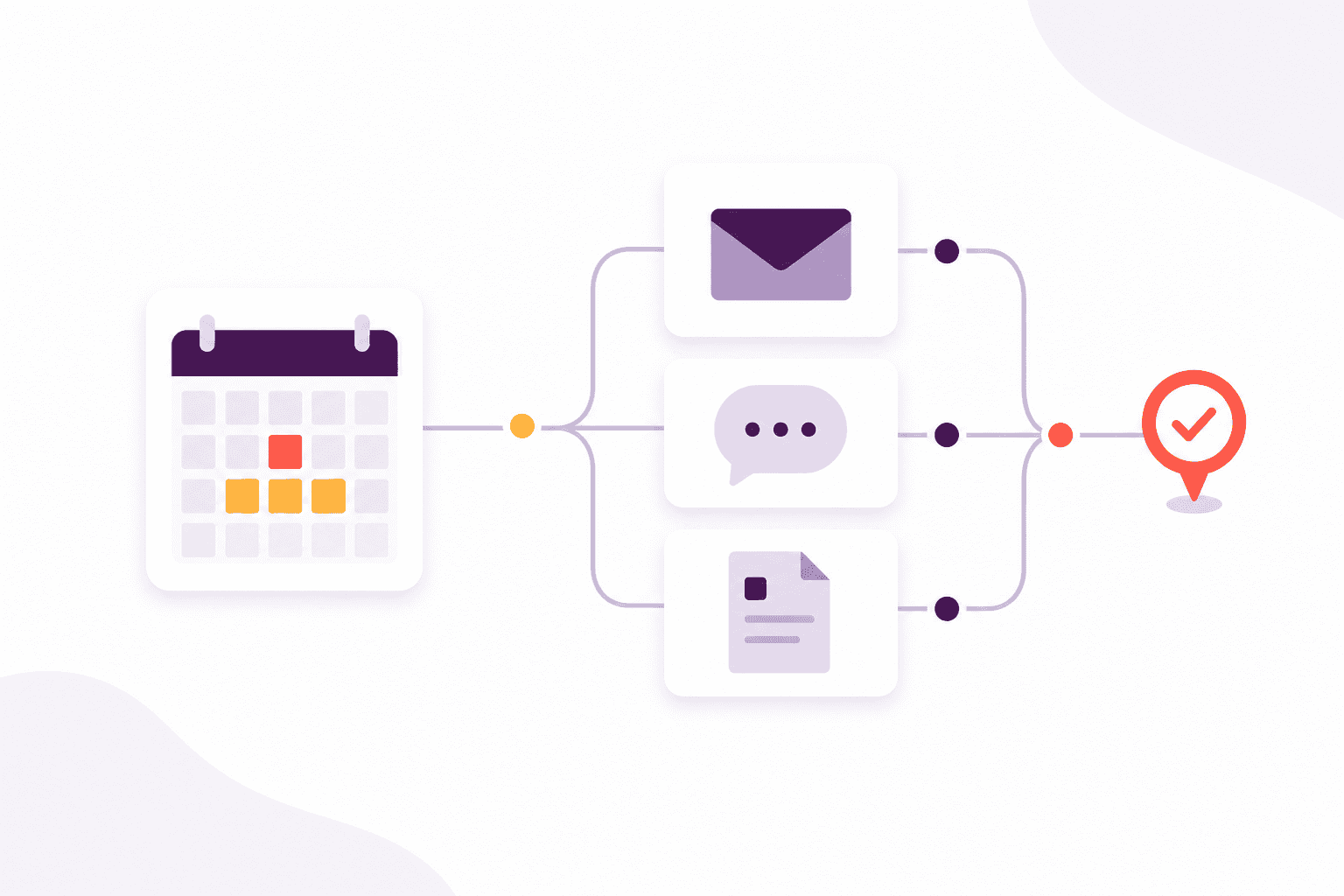
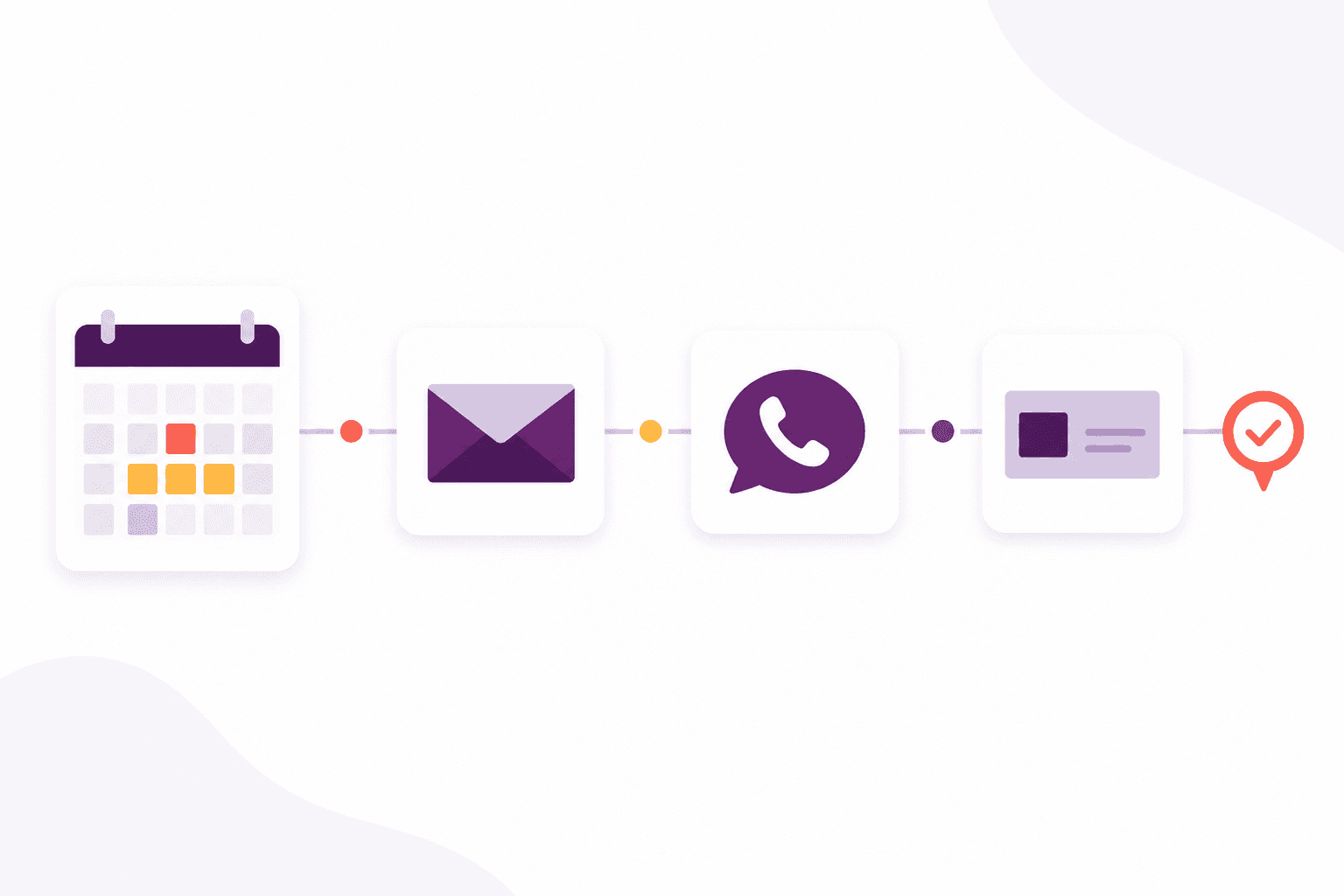
The safest automation for what should a crm for training providers actually do removes predictable effort while keeping crm for training providers decisions understandable. Give each rule a business owner, document its timing and make failed actions visible. Review whether recipients act, not merely whether messages or tasks were generated. Where judgement affects a learner, employer or compliance outcome, use automation to prepare context and prompt the person responsible.
Prioritise crm for training providers steps that are frequent, predictable and supported by dependable learner relationship management. Avoid beginning with rare cases that require interpretation. During the first cycle, sample completed actions as well as failures so silent mistakes are not missed. Once the control works, extend it deliberately and retire the manual reminder or list it replaces.
Implement the change in controlled stages
Agree account and contact ownership, relationship types and minimum required information before migration. Avoid importing every old marketing field. Start with the data needed to recognise the customer, communicate lawfully, connect learners and complete the most common service tasks.
Assign a process owner for crm for training providers before changing what should a crm for training providers actually do. That person should settle definitions, approve configuration and review early exceptions with users. Import and test a clean sample, then increase scope in measured stages. The objective is not a perfect first release; it is a usable end-to-end route that the team can trust without rebuilding the same information elsewhere.
Measures that show whether it is working
Track duplicate contacts, unowned tasks, incomplete employer relationships, response time and enquiries resolved without internal escalation. A useful training provider CRM should improve both customer service and the reliability of connected training records.
Do not measure crm for training providers only by how much the system produces. Include the completeness of learner relationship management, the number of manual overrides and the time exceptions remain unresolved. Open a sample of records during each review to verify that the metric represents the real workflow. User feedback then explains whether a disappointing result comes from data, configuration, training or capacity.
A practical review checklist
- Name the record or decision that starts the workflow
- Identify the authoritative source for every important field
- Give routine work and exceptions a visible owner
- Retire the spreadsheet, inbox rule or personal reminder being replaced
- Review measures after adoption and improve the process
Use the checklist with a small sample of current work. Note every time somebody leaves the main record, retypes known information or relies on a personal reminder. Those observations create a prioritised improvement list grounded in evidence. They also give the team a baseline for judging whether what should a crm for training providers actually do? has produced a durable change.
The outcome to aim for
The best evidence that crm for training providers has improved what should a crm for training providers actually do is ordinary work becoming predictable. Users know where to look, who acts next and how to correct a problem. Automation handles repeatable timing, reports use live records and exceptions remain visible. The team spends less time reconstructing history and more time helping learners, employers and delivery colleagues move work forward.
Treat CRM for training providers, training provider CRM, learner relationship management as connected parts of that operating model. Start with a clear problem, improve the underlying data, introduce the smallest complete workflow and measure what changes. Technology creates leverage, but the lasting benefit comes from shared definitions, visible ownership and a team that trusts the record enough to stop maintaining parallel manual processes.