
Role-based access for training records: enough information, not everything is an operational question before it is a technology question. Training teams need dependable information, clear ownership and enough time to act. When the process is split across spreadsheets, calendars, inboxes and shared drives, staff spend valuable time reconstructing the same position and checking whether somebody else has already dealt with it.
This article examines role-based access control, training record security, learner data permissions in the context of day-to-day training administration. It focuses on practical controls, measurable time savings and a realistic move from manual work to connected records. The aim is not to automate every decision. It is to make routine work consistent and ensure the exceptions needing judgement become visible early.
Where the manual process becomes expensive
Shared drives and spreadsheets often rely on broad folder access. Staff receive everything because fine-grained control is difficult, or they receive exported copies that immediately become unmanaged. Both approaches make it harder to support learners while respecting confidentiality and operational boundaries.
A realistic cost review for role-based access control must include more than data-entry minutes. Add the time used to validate learner data permissions, locate supporting evidence, resolve conflicting versions and brief a colleague after a hand-off. These activities make manual administration fragile during absence or peak demand. They also limit the volume a team can support without adding people, even when the headline process appears unchanged.
What a connected system changes
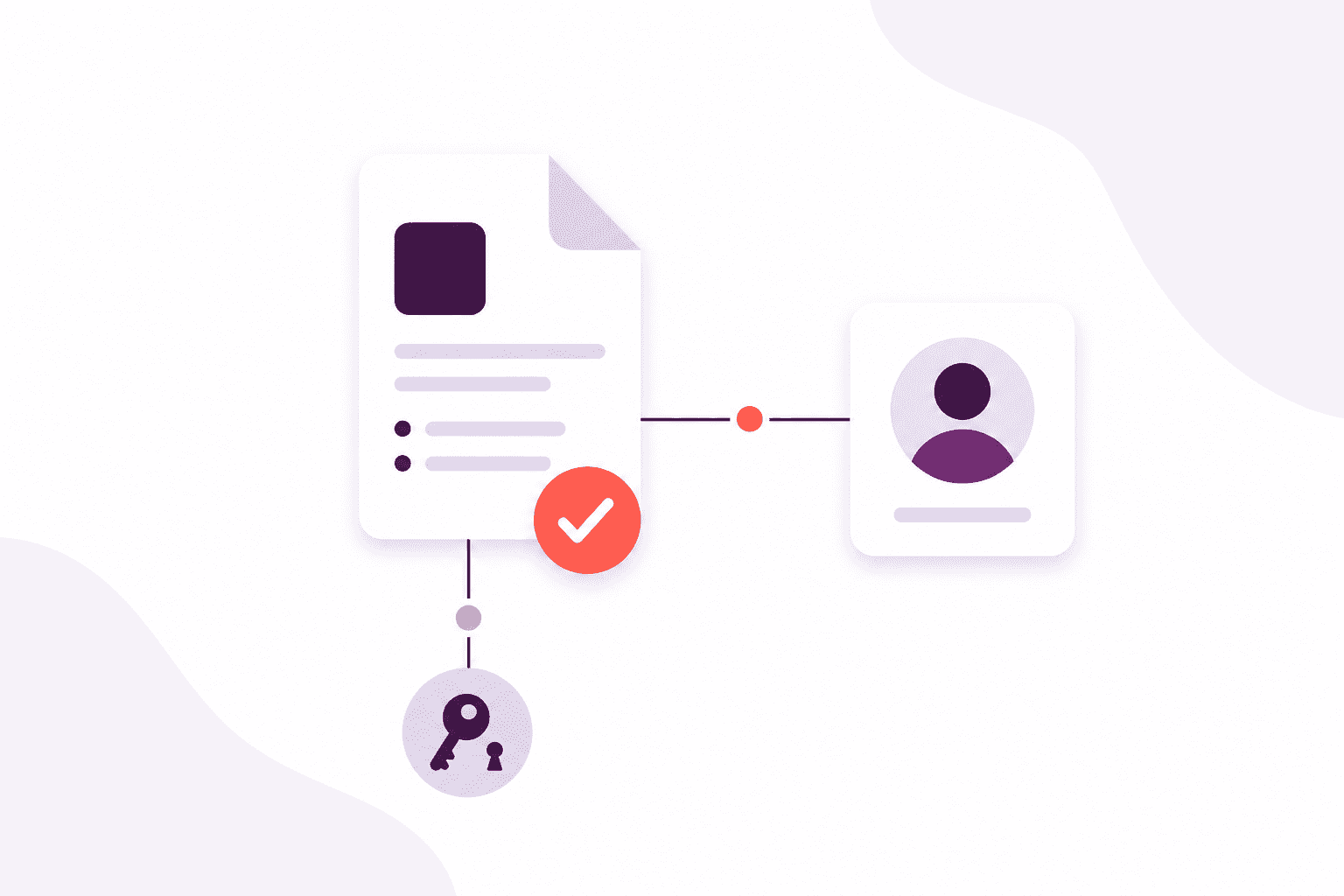
Role-based access control grants capability according to responsibility. An administrator may manage bookings, a trainer may record attendance and results, a manager may review reports and a learner may access their own evidence. The underlying record stays connected even when each person sees a different, appropriate view.
A database alone does not improve training record security. The design must connect the fact to the work: why it matters, who can change it, what evidence supports it and which step follows. Applied to role-based access for training records: enough information, not everything, this removes the gap between a management total and the individual records behind it. Users can act from the live detail rather than exporting another list for interpretation.
Follow the work from beginning to end
List the decisions each role makes and the fields needed to make them. Test ordinary work and sensitive exceptions, including changing a result, downloading evidence and viewing employer-wide reports. Confirm what happens when someone changes role or leaves.
Build realistic test cases for role-based access for training records: enough information, not everything from recent work. One should cover the expected role-based access control route; another should include a training record security problem, such as a late response, duplicate record or changed date. Record every point where the tester leaves the system or asks another person for context. Those points become specific requirements for configuration, training or integration.
Calculate time saved without exaggeration
Permissions save indirect time by reducing manual extracts, access requests and correction of uncontrolled copies. Measure how often staff export data because they cannot complete a task in the system and how long access changes take to apply.
A credible time-saving claim for role-based access for training records: enough information, not everything starts with observation. Sample enough training record security work to include straightforward records and exceptions, and distinguish hands-on minutes from elapsed time. Re-measure once the team is confident rather than during the first week. Pair the result with quality indicators so a faster process is not celebrated if it creates more incomplete records or later corrections.
Keep reminders and automation accountable
Design role-based access control automation as a controlled sequence, not an unattended shortcut. Validate the date or status that initiates it, confirm the training record security audience and define what happens when information is missing. An administrator should be able to inspect the history and pause or correct the route. This combines consistency for routine cases with human judgement where the consequence is significant.
For role-based access for training records: enough information, not everything, introduce role-based access control in a narrow slice with clear training record security ownership. Compare expected and actual outcomes each day at first, then reduce review frequency as the rule proves stable. Keep higher-risk cases outside the automated route. This staged approach builds confidence without asking the team to surrender visibility or carry a parallel spreadsheet indefinitely.
Implement the change in controlled stages
Begin with a small role model based on work, not job titles alone. Use least privilege as a starting point, provide an accountable approval path and review powerful permissions regularly. Avoid individual exceptions where a clear reusable role would work.
For role-based access for training records: enough information, not everything, define the new training record security hand-offs before importing every historical record. Explain which fields matter, what each status means and how an exception is escalated. Use a representative pilot group and review their work with them. A controlled first stage makes it possible to improve permissions, terminology and guidance without disrupting the whole operation.
Measures that show whether it is working
Track access requests, exported sensitive files, inactive users, high-privilege accounts and permission-related workarounds. Audit logs should support investigation, but prevention and understandable roles are more valuable than reviewing a long history after a problem.
Track whether training record security becomes quicker, whether learner data permissions becomes more complete and whether the intended action happens sooner. A single dashboard number cannot explain all three. Segment the result by course, organisation or status where useful, and let authorised users open the records behind the total. That combination makes progress credible and reveals where the workflow still breaks.
A practical review checklist
- Name the record or decision that starts the workflow
- Identify the authoritative source for every important field
- Give routine work and exceptions a visible owner
- Retire the spreadsheet, inbox rule or personal reminder being replaced
- Review measures after adoption and improve the process
Use the checklist with a small sample of current work. Note every time somebody leaves the main record, retypes known information or relies on a personal reminder. Those observations create a prioritised improvement list grounded in evidence. They also give the team a baseline for judging whether role-based access for training records: enough information, not everything has produced a durable change.
The outcome to aim for
For role-based access for training records: enough information, not everything, aim for a workflow in which training record security can be followed from source to outcome. Routine cases should progress with minimal intervention, while missing information and unusual decisions become visible early. Another authorised colleague should be able to continue the work from its history. This combination reduces repeated effort without treating automation as a substitute for accountability.
Treat role-based access control, training record security, learner data permissions as connected parts of that operating model. Start with a clear problem, improve the underlying data, introduce the smallest complete workflow and measure what changes. Technology creates leverage, but the lasting benefit comes from shared definitions, visible ownership and a team that trusts the record enough to stop maintaining parallel manual processes.